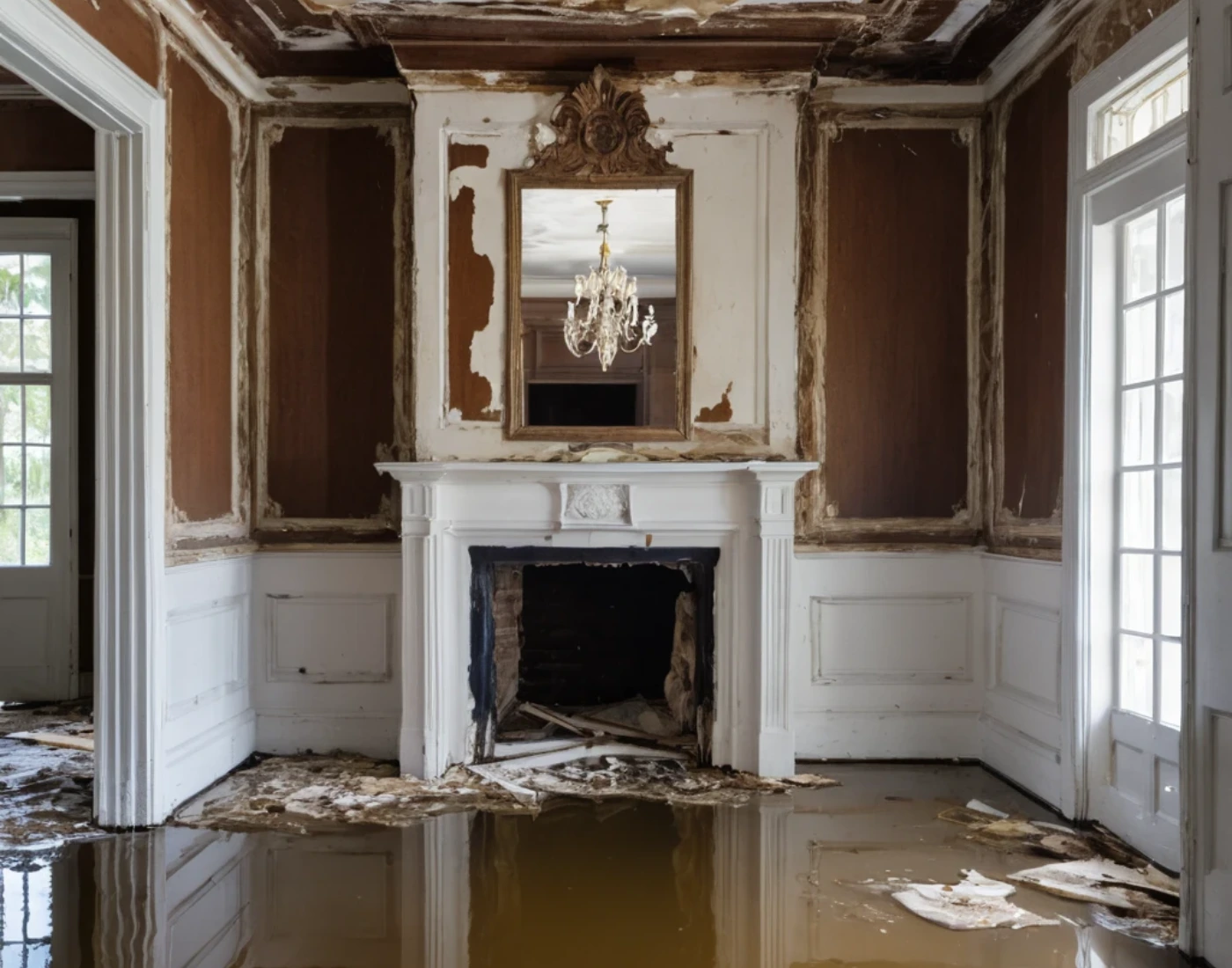
Historic homes carry unique memories and beauty, but water damage can jeopardise their legacy. This guide reveals expert restoration techniques, insurance documentation tips, and preservation strategies to protect your historic property.
Historic home water damage restoration requires specialised techniques that balance modern solutions with preservation standards. Key challenges include outdated plumbing systems, foundation issues, and moisture-related deterioration. Success depends on proper documentation, understanding insurance coverage for historical properties, and using IICRC-certified experts who understand heritage conservation requirements.
Understanding the Importance of Historical Preservation
Historic homes represent architectural heritage that connects us to the past. These properties frequently make use of distinctive craftsmanship and materials. Their designs have elements that modern construction can’t copy. When water damage happens, restoring your home is more complicated than regular repairs.
The National Park Service knows it’s important to maintain historical integrity in restoration projects. This means using traditional materials, such as lime mortar. Also, it’s important to keep original architectural features when we can. Restoring water damage in historic buildings requires striking a balance between authenticity and safety.
What Makes Historic Homes Vulnerable?
Historic homes face unique water damage challenges that newer properties rarely encounter. Knowing these vulnerabilities helps homeowners get ready for issues and act fast when problems happen.
Foundation Issues
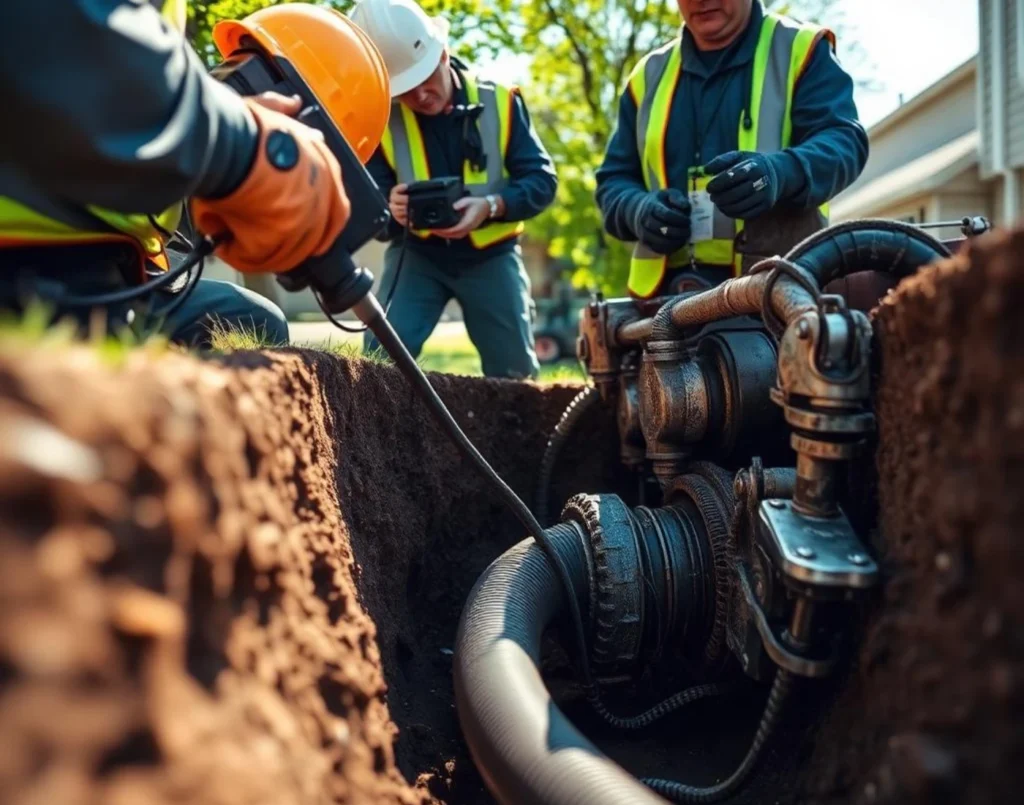
Because they frequently predate contemporary waterproofing methods, historic housing foundations are vulnerable to:
- Hydrostatic pressure buildup from poor drainage systems
- Masonry wall deterioration due to moisture infiltration
- Ground pitch problems that direct water toward the foundation
- Tree root interference with ageing foundation materials
Outdated Plumbing Systems
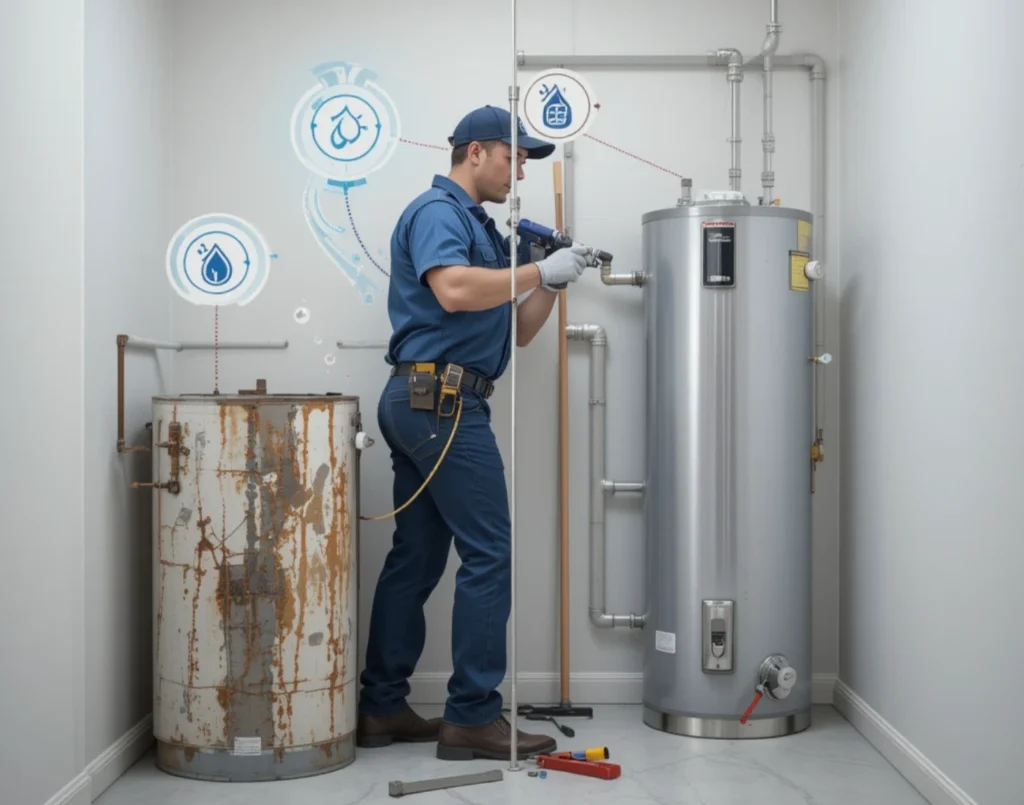
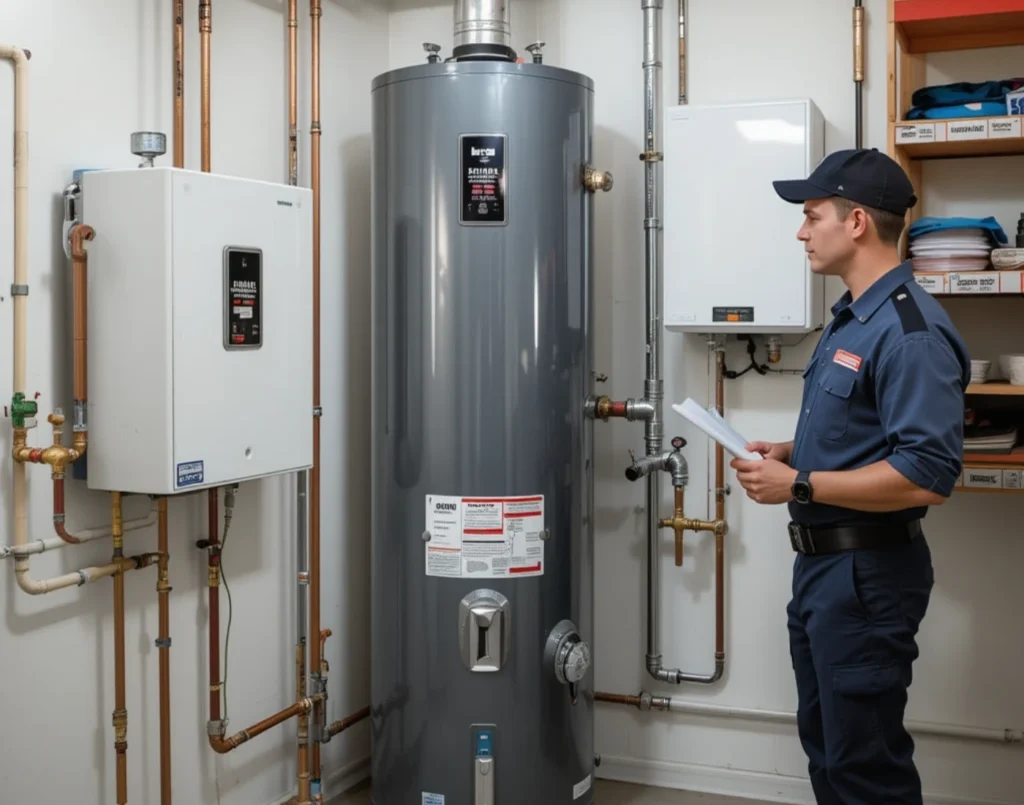
Many historic properties still use old plumbing systems. These systems can cause water damage risks.
- Lead pipes that corrode and fail over time
- Inadequate water pressure systems that stress old connections
- Missing moisture barriers in walls and basements
- Window wells that lack proper drainage improvements
Advanced Restoration Techniques for Historic Homes
Restoring water-damaged historic homes needs special skills and methods. These help keep the building’s original look while making sure it’s safe and works well.
Addressing Structural Integrity
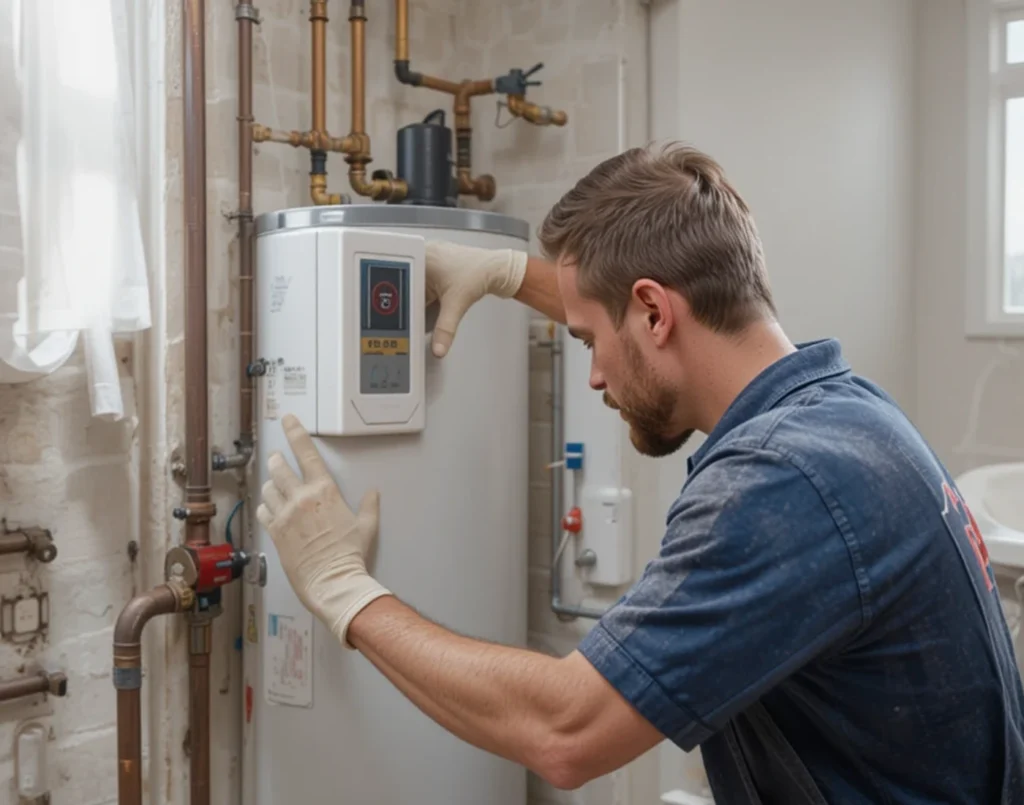
Water damage can compromise the structural elements that make historic homes unique. Professional restoration services use these approaches:
- Wooden beam assessment using moisture meters and visual inspection
- Traditional lime mortar repair for masonry restoration
- Structural reinforcement that maintains historical appearance
Restoring Architectural Features
Historic properties often contain irreplaceable architectural elements that require careful restoration:
- Plaster walls need specialised repair techniques to match the original textures
- Expertise in art and antique restoration is necessary for restoring historic wallpaper.
- Antique fixtures must be carefully cleaned and restored when possible
- Original millwork preservation using period-appropriate methods
What Modern Technology Can Help?
Contemporary tools enhance historic home restoration without compromising authenticity:
- Thermal imaging cameras detect hidden moisture behind walls
- SpecialisedrecognisesrecognisesSpecialised recognises
ServiceMaster by Singer has IICRC-certified experts. They know modern restoration methods and historic preservation rules.

Proactive Measures for Minimising Water Damage Risks
Prevention remains the most effective strategy for protecting historic homes from water damage. Regular maintenance and strategic improvements can prevent costly restoration projects.
Historic homeowners should schedule yearly inspections with qualified inspectors. They need to know older construction methods. These professionals can identify potential problems before they become major water damage events. Cleaning gutters, downspouts, and drainage systems regularly stops water from pooling. This helps protect weak foundation areas.
Essential Waterproofing Solutions
Modern waterproofing materials can protect historic homes while maintaining their authentic appearance. French drain systems move water away from foundations. They do this without changing the property’s historical look.
Installing moisture barriers in basements and crawl spaces stops humidity. This helps prevent mould growth. Sump pump systems offer backup protection during severe weather. This is especially vital for historic properties in flood-prone areas.
How Does Insurance Work for Historic Properties?
Insurance coverage for historic homes differs significantly from standard homeowner policies. Many insurers offer special coverage for the higher costs of historical materials and craftsmanship.
Understanding Insurance Policies for Historical Properties
Historic home insurance typically includes:
- Replacement cost coverage for period-appropriate materials
- Ordinance and law coverage for building code compliance
- Tax credits consideration for qualified restoration projects
- Specialised IICRC-certified coverage for heritage conservation work
Steps to Ensure Proper Coverage
Property owners should work with insurance agents who understand historic property values:
- Document architectural features with detailed photographs and descriptions
- Maintain appraisals that reflect historical significance and replacement costs
Regular policy reviews ensure coverage keeps pace with property values and restoration costs.
Guide to Insurance Documentation and Claims
Good documentation makes the insurance claims process easier. It also helps ensure fair compensation for water damage restoration in historic properties.
Preparing Necessary Documentation
Successful insurance claims require comprehensive documentation:
- Detailed photographs of all damaged areas and architectural features
- Expert evaluations from IICRC-certified specialists with experience in historic properties
- Repair estimates from contractors experienced in heritage conservation
- Historical records attesting to the original materials and significance of the property
Can You Automate Insurance Paperwork?
Modern technology helps streamline insurance documentation for historic properties. Professional restoration companies provide detailed reports. These include thermal imaging results, moisture readings, and photos. Insurance companies often require this information.
Streamlining Claims Processing
Working with restoration professionals who understand insurance requirements accelerates claim approval:
- Immediate documentation of damage helps prevent further deterioration
- Professional communication with insurance adjusters ensures proper coverage application
Local companies, like those in Los Angeles, understand the building codes and insurance needs for historic properties.

Case Studies: Successful Historic Home Water Damage Restorations
Real-world examples show good ways to restore water-damaged historic homes. These methods keep the building’s original look and feel.
A restoration project for a colonial-era church fixed water damage. It kept the original plaster walls and added modern moisture control systems. The project used classic lime mortar methods. It also included hidden moisture barriers to stop future water leaks.
A Victorian-era home was successfully restored. Outdated plumbing had caused serious water damage. Professional restoration teams kept the original wooden beams. They upgraded the electrical systems and added modern safety features to meet current building codes.
Protecting Your Historic Home’s Legacy
Historic home water damage restoration requires expertise, patience, and respect for architectural heritage. Success relies on selecting skilled professionals. They should know modern restoration methods and historical preservation needs.
Restoration is key for foundation problems, old plumbing, or moisture damage. It keeps your property’s history alive and ensures it is safe and functional today. Professional assessment and documentation are key to successful restoration and insurance claims.
For expert water damage restoration, trust our IICRC-certified team. Call us at +14699989768 or email contact@homecareandservices.com. We’ll care for your historic home. Our team at 244, First Floor, 11 St Roots Terrace, Los Angeles, USA, offers expert historic property restoration. We’re open Monday to Saturday, from 8:00 AM to 5:00 PM (EST).
Frequently Asked Questions
1. How can water damage restoration services help with insurance claims?
Professional water damage restoration companies assist by documenting damage, providing certified assessments, and submitting restoration estimates that align with insurance requirements. This speeds up claim approvals and ensures policy compliance.
2. How does insurance coverage work for water damage restoration in Tishan?
In Tishan, insurance policies typically cover sudden and accidental water damage like pipe bursts or appliance leaks. Local restoration experts also understand regional insurer requirements, ensuring proper documentation and faster claim processing.
3. Can my insurer cover the expense of water damage restoration?
Yes, most standard homeowners’ insurance policies cover water damage caused by sudden events. Coverage often includes cleanup, structural repairs, and mould remediation if addressed promptly and professionally.
4. What caused water damage in your home? Was it covered by insurance?
Insurance usually covers water damage from events like pipe bursts or roof leaks, but not from gradual issues like neglect or poor maintenance. Proper documentation helps determine if your claim will be accepted.
5. Would insurance cover water damage due to an improperly installed deck?
Damage from an improperly installed deck is often not covered by insurance, as it may fall under construction defects or negligence. However, a professional assessment and policy review can clarify your options in Tishan.