
Water Mitigation vs Restoration is a key comparison every aspiring damage restoration professional must understand. Both processes are critical in handling water-damaged properties, yet they serve very different purposes. Water mitigation vs restoration decisions impact your business model, equipment investment, and customer expectations. In this complete 2025 startup guide, we’ll explain the differences between water mitigation vs restoration, cover essential tools, outline licensing and certifications, and help you prepare for a successful launch in the water damage restoration industry.
Water mitigation focuses on immediate damage prevention and stabilisation, while restoration involves returning properties to pre-damage condition. Both services require specialised equipment, trained professionals, and proper business planning. The water damage industry offers significant startup opportunities with proper market research, equipment investment, and strategic business development.
Understanding Water Mitigation
Definition and Purpose
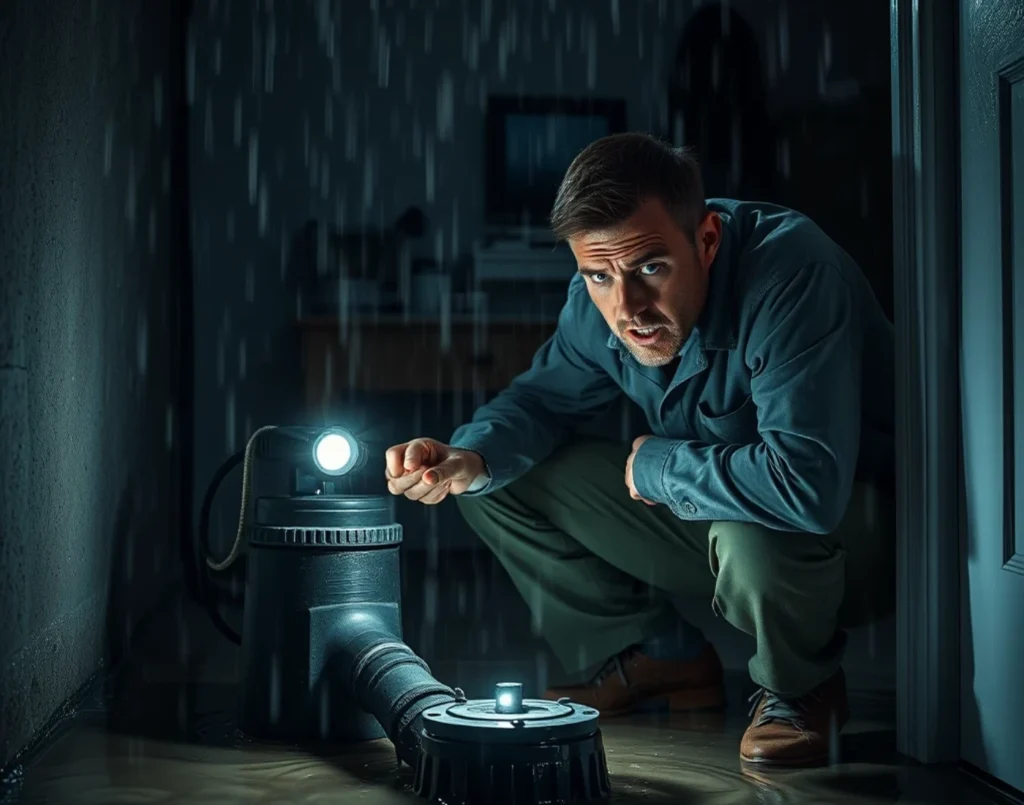
Water mitigation serves as the critical first response to water damage emergencies. This process helps reduce damage and stabilise the area right after water intrusion.
The main goal is to stop water damage. This helps prevent problems like mould growth and structural damage. Expert mitigation teams act swiftly to determine the extent of the damage and put emergency plans into action.
Key Processes in Water Mitigation
- Water mitigation employs a systematic approach to damage control:
- Emergency response and assessment: Teams arrive within hours to evaluate the situation
- Water extraction: Uses strong vacuums and pumps to remove standing water.
- Moisture detection: Using specialised tools to identify hidden water pockets
- Structural drying: Implementing dehumidifiers and air movers for thorough drying
The process typically takes 3-5 days, depending on damage extent. Speed is essential since mould can begin growing within 24-48 hours of water exposure.
Benefits of Effective Mitigation
Proper water mitigation provides several advantages for property owners. A quick response stops serious damage. This helps avoid expensive repairs or losing your belongings.
Insurance companies often require professional mitigation to validate claims. This service helps maintain property value and reduces overall restoration costs significantly.
Understanding Water Restoration
Water restoration begins after mitigation stabilises the damaged area. This process fixes and restores damaged structures, materials, and systems to their original state.
Professional restoration requires extensive construction knowledge and specialised skills. Depending on the extent of the damage and the size of the project, the process may take weeks or months.
Key Processes in Water Restoration
The restoration phase involves multiple complex procedures:
- Damage assessment and planning: Creating detailed restoration blueprints
- Material removal and disposal: Eliminating damaged drywall, flooring, and fixtures
- Structural repairs: Rebuilding walls, floors, and damaged frameworks
- Finishing work: Installing new materials, painting, and final touches
Each step needs close teamwork with insurance adjusters, contractors, and property owners. This helps guarantee quality results.

Benefits of Successful Restoration
Properties are fully restored to their pre-damage state or better. This process often includes upgrades. These upgrades boost property value and functionality beyond the original specs.
Professional restoration guarantees adherence to safety regulations and building rules. Owners of real estate can rest easy knowing that their area has been safely and correctly restored.
What Sets Mitigation Apart From Restoration?
Timing and Sequence
As soon as water damage is identified, mitigation begins, and once mitigation is complete, restoration takes place. Emergency teams respond in hours. However, planning for restoration can take days or even weeks.
The mitigation phase focuses on damage prevention, whereas restoration emphasises repair and rebuilding. Both processes require different skill sets and equipment types.
Focus and Objectives
Water mitigation prioritises stopping further damage and preserving salvageable materials. Teams act fast to get water out, dry buildings, and stop mould in affected areas.
Restoring properties to their original or better state is the main goal of restoration. This process requires construction expertise, design skills, and extensive project management capabilities.
Required Skills and Expertise
Mitigation technicians need water extraction expertise, moisture detection skills, and emergency response training. These professionals must work efficiently under pressure while following safety protocols.
Construction expertise, project management ability, and design skills are necessary for restoration specialists. They manage various trades during the rebuilding process. This includes plumbing, electrical work, and carpentry.
Equipment Needed for Water Mitigation
Essential Tools and Machinery
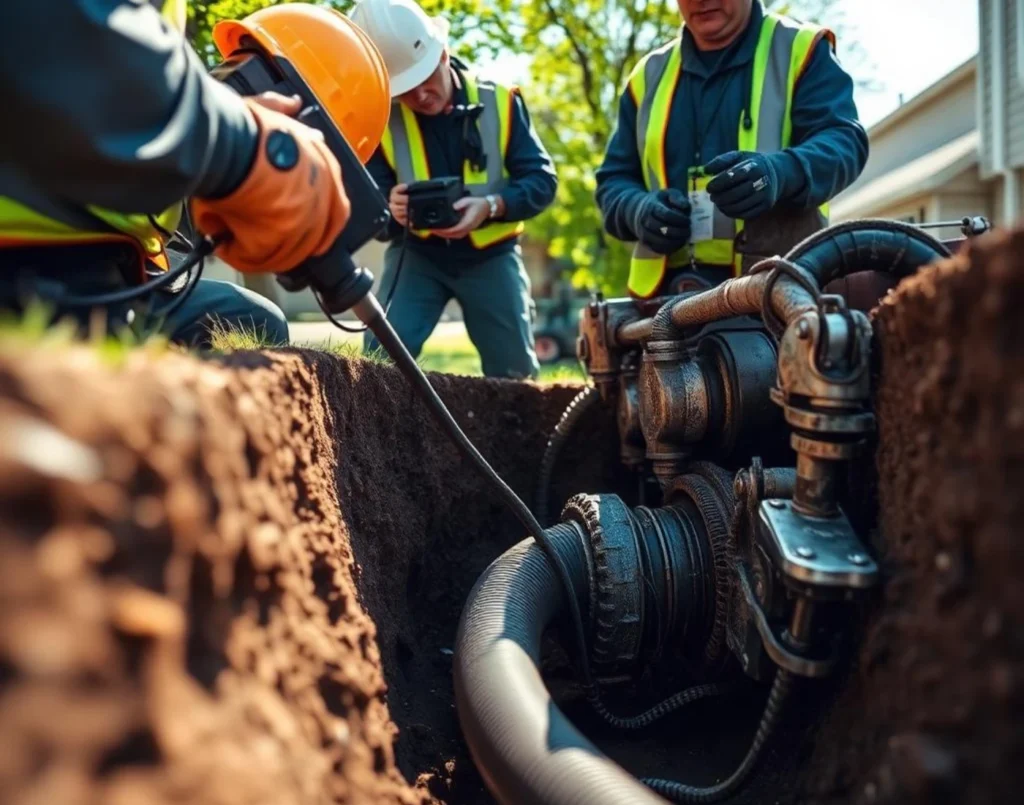
Water mitigation requires specialised equipment for effective damage control:
- Industrial dehumidifiers: Controlling humidity levels during the drying process
- Air movers and fans: Circulating air to accelerate moisture evaporation
- Moisture meters: Detecting hidden water in walls, floors, and ceilings
Professional-grade equipment ensures thorough water removal and proper drying. Truck-mounted extractors provide superior suction power compared to portable units.
Safety Gear Requirements
- Worker safety is crucial in water damage mitigation, especially with contaminated water.
- Exposure to harmful bacteria and chemicals requires strict use of protective equipment.
- In places with structural damage, wear eye protection and hard hats. This helps lower the risk of injury.
Cost Considerations for Equipment
For mitigation enterprises, the starting equipment cost can be between $50,000 and $150,000. Truck-mounted units cost more but provide superior performance and professional appearance.
Equipment leasing offers lower startup costs but higher long-term expenses. Many new businesses start with essential portable equipment and upgrade as revenue grows.
Equipment Needed for Water Restoration
- Water restoration goes beyond basic mitigation and often involves full-scale reconstruction.
- Comprehensive projects require more than just drying equipment.
- Having the right equipment ensures efficiency, safety, and quality in the restoration process.
Restoration companies often partner with equipment rental businesses. This helps them get specialised tools when needed. This approach reduces capital investment while ensuring access to current technology.
Starting a Water Damage Management Business
What Market Research Should You Conduct?
Understanding your local market helps identify opportunities and competition levels. Check average home values, how often insurance claims happen, and what service providers are available in your area.
Contact local insurance agents and property managers to understand referral processes. Many successful businesses build relationships with these professionals before launching operations.

Business Planning Essentials
A comprehensive business plan outlines your service offerings, target market, and financial projections. Include both mitigation and restoration services to maximise revenue opportunities.
Think about focusing on certain property types. These could be residential homes, commercial buildings, or industrial facilities. Specialisation allows focused marketing and expertise development in chosen areas.
Legal Requirements and Permits
- Water damage restoration companies need the right licenses and permits. These requirements differ by state and local rules.
- Professional liability insurance and bonding help build trust with clients and insurance providers.
- Workers’ compensation insurance is crucial for protecting employees during high-risk restoration tasks.
- Verifying these credentials ensures compliance, safety, and professionalism in restoration services.
Funding Options for Startup Ventures
Self-Funding and Bootstrapping
Personal savings offer complete business control without debt obligations. Many successful water damage businesses start small and reinvest profits for gradual growth.
Bootstrap funding allows learning the business without external pressure. Begin with basic mitigation services. Then, expand into restoration as you gain experience and capital.
Loans and Credit Options
- Small Business Administration (SBA) loans offer favourable terms for eligible business owners.
- Traditional bank loans usually need a lot of collateral. However, they often offer competitive interest rates.
- Equipment financing helps acquire essential tools without straining working capital.
- Many equipment manufacturers provide financing options tailored for service-based businesses.
Seeking Investors
Private investors may provide capital in exchange for business equity. Angel investors often bring valuable industry experience and connections beyond financial resources.
Partnership opportunities with established contractors can provide startup capital and immediate credibility. Consider joint ventures with complementary service providers for mutual benefit.
Strategic Steps to Establish Success
Building a Skilled Team
Hiring experienced technicians accelerates business growth and ensures quality service delivery. Look for candidates with water damage experience, construction backgrounds, or strong mechanical aptitude.
Invest in proper training and certification programs for all team members. Industry certifications demonstrate professionalism and competence to insurance companies and property owners.
Developing a Marketing Strategy
- Connect with insurance adjusters, property managers, and local contractors. This helps you find referral opportunities.
- Many water damage service calls originate from professional networks rather than direct ads.
- Create a solid online presence. Start with a professional website and keep active social media accounts.
- Highlight 24/7 emergency service and quick response times to attract urgent service inquiries.
Implementing Quality Assurance Practices
Develop standardised procedures for both mitigation and restoration services. Consistent quality builds reputation and ensures customer satisfaction across all projects.
Document all work with photos and detailed reports for insurance purposes. Proper documentation protects your business and helps customers navigate the claims process successfully.
Building Your Future in Water Services
The water damage industry has great opportunities for entrepreneurs. Ready to invest in training, equipment, and growth? This field can be rewarding. Success requires understanding both immediate mitigation needs and long-term restoration requirements.
Strong market research, good funding, and quality equipment create a strong foundation for lasting growth. Build strong professional relationships and keep high service standards. This will help you establish your reputation in this important industry.
For help with water damage services in Los Angeles, call HomeCare and Services at +14699989768. You can also visit us at 244, First Floor, 11 St Roots Terrace, Los Angeles, USA. Our experienced team provides comprehensive consultation Monday through Saturday, 8:00-17:00 EST.
Frequently Asked Questions
1. Why should I start a water damage or restoration business?
Starting a water damage restoration business offers high demand, recession-resistant services, and strong ROI. With rising climate issues and property risks, this industry ensures steady work and growth. Ideal for entrepreneurs seeking essential service-based income.
2. What is a guide to starting your own business?
To start your own business, research your market, register your company, get necessary licenses, and create a business plan. Focus on funding, marketing, and digital presence. Follow a step-by-step launch strategy to stay compliant and competitive.
3. How does one start a guide business?
Start a guide business by choosing your niche (such as travel, fishing, or hiking), obtaining any required certifications, creating routes or itineraries, and establishing an online presence. Register your business locally and ensure insurance for safety and compliance.
4. Where is the best place to start a water company?
The best place to start a water company is in areas with water scarcity, poor infrastructure, or high commercial demand, such as growing urban regions or disaster-prone zones. Research local laws and water rights before launching your operations.
5. How can I start a water company?
To start a water company, secure permits, choose your water source, invest in purification equipment, and register your business. Build distribution and marketing channels early. Comply with local health, safety, and environmental regulations for smooth operation.