
DIY roof repair can save you money for minor fixes, but safety, hidden costs, and insurance concerns often mean hiring a pro is wiser, especially for complex or high-risk repairs.
Your roof is leaking, and you’re wondering if you can fix it yourself. Before grabbing that ladder, consider important safety, financial, and technical factors. These can make or break your home improvement project.
This guide will help you choose between DIY roof repair and hiring pros.
Pros and Cons of DIY Roof Repair
Advantages of DIY Roof Repair
DIY roofing projects offer many benefits for homeowners willing to undertake the task. The most significant advantage is saving money. You only pay for roofing materials, not for labour from a roofing company. Minor repairs, such as fixing a roof leak or replacing shingles, can save you significant professional fees.
Benefits of Hands-On Learning in DIY Projects:
- Hands-on experience can be enriching when learning new skills.
- Completing home improvement projects builds confidence for future DIY tasks.
- You control the material selection. This lets you pick high-quality options that fit your budget and preferences.
Disadvantages of DIY Roof Repair
The downsides of DIY roof replacement and repairs can be significant and costly. If you lack safety training and the right tools, you could sustain severe injuries or even face death. Roofing contractors have years of experience. They identify hidden issues such as wood rot, structural damage, or weak roof decking. Untrained eyes often leave out those problems.
The Risks of DIY Roofing:
- DIY roofing mistakes can lead to big problems. You might face water damage, mold, or mildew growth.
- In extreme cases, errors may additionally even cause the roof to disintegrate.
- An easy repair can quickly escalate into an expensive disaster.
- You might need to replace the entire roof. This can cost more than hiring pros right away.
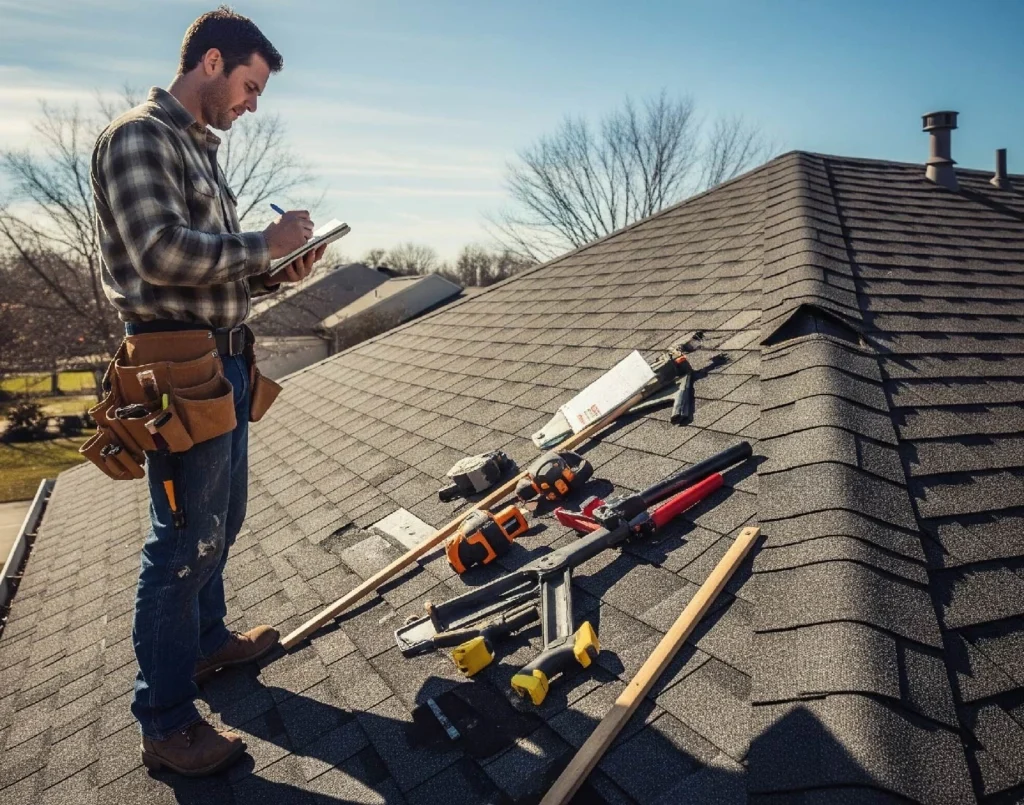
Key Considerations Before Attempting DIY Roof Repair
Assessing Your Skills and Experience
Honestly, check your construction experience before tackling any roofing projects. Do you have experience with power tools, nail guns, and working at heights? Have you completed other DIY projects successfully without major setbacks?
Consider these skill requirements:
- Previous experience with homebuilder tasks or construction work
- Comfort level in using specialized tools and roofing equipment
- Understanding your local vicinity’s building codes and permit necessities
- Physical fitness for demanding roofing work in various weather conditions
Evaluating the Complexity of the Roof Damage
Different roof repairs vary in quality. Experienced DIYers can usually manage simple maintenance. They can replace shingles or apply roof sealants. Complex roofing issues need expert help and specialized knowledge.
Contact a roofing expert right away if you note:
- Structural problems
- Major water retention issues
- Damage to essential parts, like the roof decking or underlayment
A roof inspection by a pro can spot issues you can’t see from the ground. This can help keep your home’s value and avoid severe damage.
Financial Implications of DIY Roof Repair
Hidden Costs
DIY roof repair isn’t about buying roofing materials from your local supplier. Invest in safety gear and roofing tools. You might also need to rent special equipment. Quality safety harnesses, non-slip shoes, and proper safety equipment can add up to many dollars. This is true even before you start working on a roof.
Additional costs include:
- High-quality materials from reputable suppliers
- Rental costs for ladders, nail guns, and roofing equipment
- Local building codes require permit fees.
- Disposal costs for old roofing materials and debris
Insurance and Warranty Concerns
Many homeowners’ insurance policies have rules about roof repairs. They specify who can do the work legally. DIY work might void your home insurance coverage if not done to code or without proper permits. Roofing contractors usually provide material warranties and labour guarantees, which are crucial for securing long—term funding.
You need proof from licensed roofers for insurance claims on roof damage caused by hurricanes or storms. Before starting DIY roofing work, check with your home warranty provider and insurance company. This way, you can avoid problems with future claims or coverage disputes.
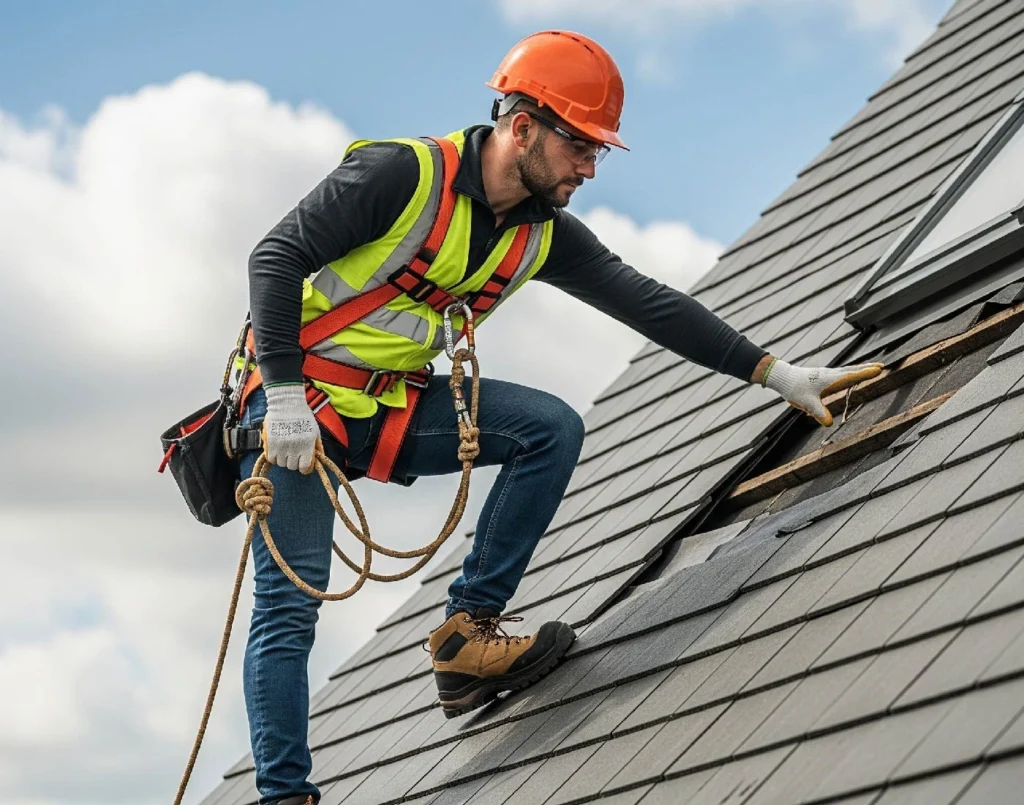
Safety Concerns When Repairing Roofs Yourself
Common Safety Risks
- Falls are the leading cause of injuries and deaths in construction. Wet conditions, steep slopes, and worn-out underlayment often create slippery surfaces.
- Electrical Hazards: Power lines near the roof can be very dangerous when working.
- Chemical Exposure: Cleaning chemicals used during roofing can be hazardous without proper precautions.
- Tool-Related Injuries: Roofing tools can cause injuries if mishandled.
- Ignoring Risks: Homeowners often miss these dangers. This can cause preventable accidents. It shows why hiring insured contractors with safety measures is crucial.
Essential Safety Equipment
Never attempt roofing work without proper safety gear that meets industry standards.
For any roofing job, you need:
- Professional-grade safety harnesses
- Strong ladders
- Non-slip shoes
These items ensure safety, whether the job is complex or straightforward.
Required safety gear includes:
- OSHA-approved safety harness and fall protection system
- Stable extension ladder rated for your weight, plus materials
- Non-slip shoes designed specifically for roofing work
- Hard hat and safety glasses for debris protection
- First-aid kit accessible to ground crew members
Alternatives to DIY Roof Repair
Hiring Professional Roofing Services
Big roofing jobs, structural repairs, and complete replacements need licensed professionals. They must have the proper credentials. Roofing contractors have special training, commercial-grade tools, and insurance. This coverage protects them and your property from any liability.
Expert roofers spot problems you may overlook. They identify issues like inadequate ventilation, incorrect drip edge setup, or roof problems underneath. They know local building codes. They can also get permits for major roofing projects. This ensures they meet legal requirements and safety standards.
Hybrid Approaches
Some homeowners mix DIY work with professional help. This way, they get great results and save money. You can do simple tasks like cleaning clogged gutters or applying roof sealants. For tough repairs, hire local roofing experts with the proper licenses.
Get roofing estimates from different companies, even if you plan to do some work yourself. Their expertise helps you see your roofing needs clearly. They can find safety hazards before you climb ladders or buy materials.
Choosing Between DIY Roof Repairs and Professional Help
Knowing roofing materials and tools helps you choose between DIY repairs and hiring a pro.
Basic roof repairs may only require:
- Replacement asphalt shingles
- Roof sealants
- Basic hand tools
- Complex projects need specialized roofing tools and materials.
Common roofing materials include:
- Asphalt shingles
- Composition shingles
- Underlayment
- Drip edge components
- Various roof sealants
Professionals have access to:
- Commercial-grade materials
- Volume pricing is not available to homeowners through retail channels.
When Water Damage Becomes a Major Concern
Roof leaks can cause water damage. What begins as a minor issue can become a massive problem. It might even affect your whole home.
Signs of severe water damage are:
- Sagging ceiling areas
- Visible water stains
- Musty odours that suggest mould and mildew
- Compromised roof decking seen from the attic
Roofing contractors can check for water damage and suggest the best fixes. Just restore small areas and wear protection gear like harnesses and non-slip footwear. It may mean your entire roofing system is failing. In such cases, a complete roof replacement is needed instead of just spot repairs.
Understanding Building Codes and Permits
Local building codes differ by region. Most places require permits for large roofing projects. But simple maintenance often doesn’t need to be done. These codes help keep safety standards and proper installation techniques in place. They protect homeowners and future buyers.
Roofing contractors know the building codes well. They also handle the permit process smoothly. Doing DIY roof replacement or big repairs without permits can lead to fines. It may also cause problems when selling your home or with insurance claims.
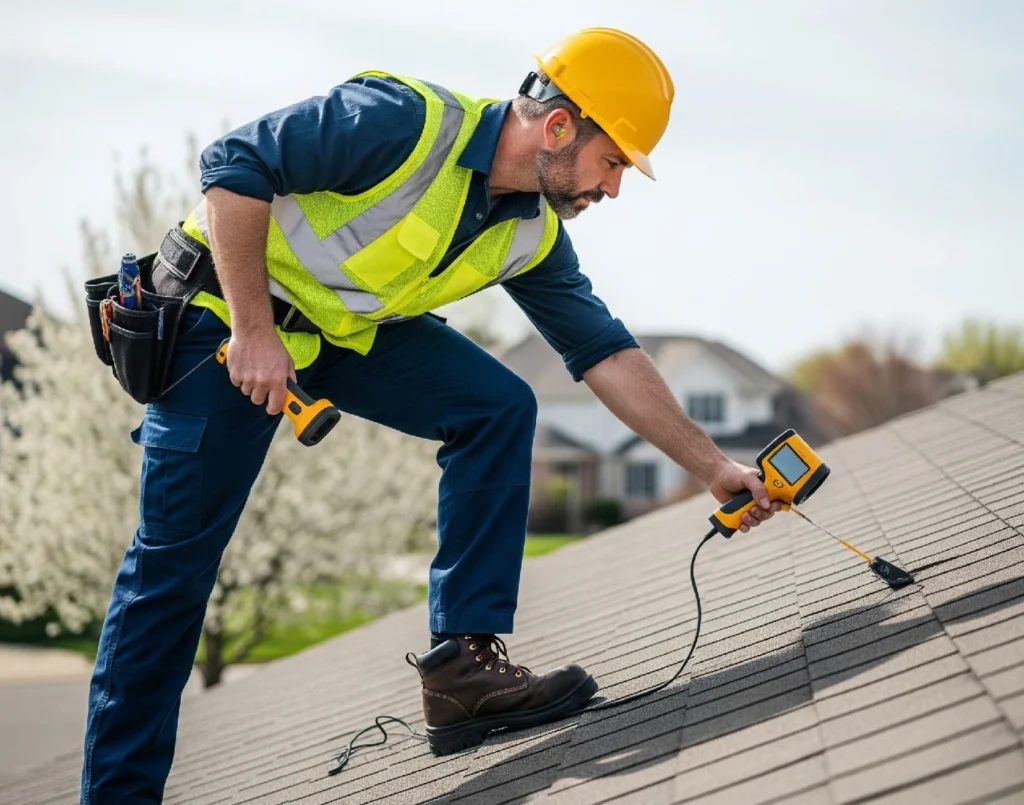
The Role of Professional Roof Inspections
Regular roof inspections by qualified professionals can spot problems early. This helps prevent costly roof replacements later. Professional inspections usually check roof shingles, underlayment, flashing, and the roofing system.
Roof Condition and Maintenance
- Detailed information about the roof’s current condition.
- Recommendations for necessary maintenance tasks.
- Estimated timeline for a potential roof replacement.
- Guidance to help homeowners budget for future roofing needs.
- Insights for making informed decisions between repair and replacement.
Regional Considerations for Roofing Projects
Different geographic regions present unique challenges for roofing systems and repair work. Hurricane-prone areas need special roofing techniques and materials. These are made to resist severe weather. Regions with heavy rainfall need enhanced drainage systems and water-resistant materials.
Local roofers know the area’s challenges. They can suggest the right materials and methods for your climate. They also keep ties with suppliers. These suppliers provide materials that fit local weather and building needs.
Make the Smart Choice for Your Home
DIY roof repair can be satisfying for minor fixes. But don’t let saving money come before safety and quality. Your roof protects your most valuable investment: your home and your family’s safety.
Start by conducting a roof inspection to assess your current condition. Then, decide based on your skills, time, and the complexity of the work. Remember, some mistakes on roofing projects can’t be easily undone.
Read Also: How to Patch a Roof Leak: Quick Solutions and Mistakes to Avoid
FAQs
Is it safe to repair your roof yourself?
How much does it cost to DIY a roof restoration?
Can I fix a roof leak from the inside?
What tools do I need for DIY roof repair?
Roofing nails
Hammer
Pry bar
Sealants
Ladder
OSHA-approved safety gear
You’ll need underlayment, nail guns, and commercial-grade tools for complex jobs.