
A running toilet at 3 AM or a mysterious leak can turn your peaceful home into a stress zone. Don’t panic! Most toilet problems are easier to fix than you think. You may save a lot of money on repairs by being aware of the fundamentals.
Most toilet plumbing problems come from easy mechanical issues in the tank or old seals at the base. Running toilets, weak flushes, and minor leaks can often be fixed with basic tools and a few minutes of your time. Ongoing issues or structural damage require expert help. This can prevent costly water damage.
What Causes Most Toilet Problems?
Constantly Running Toilets
A toilet that won’t stop running usually has a faulty flapper or misaligned lift chain. The lift chain may be too tight or slack, or the flapper may be deformed, making a proper seal impossible.
Leaky Toilet Base
When water collects around the base of your toilet, it usually indicates that the wax seal is weakening. This seal sits between the toilet bowl and the floor drain. This seal can deteriorate over time, especially if the toilet rocks when you sit on it. The integrity of the wax seal may also be jeopardised by temperature fluctuations and house settling.
- Age-related deterioration: Wax seals typically last 20 to 30 years.
- Improper installation, uneven floors or incorrect positioning.
- Loose bolts: floor bolts that need tightening.
Weak Flushes
Blocked rim jets under the toilet bowl edge or low water levels in the tank often lead to weak flushing. Mineral deposits from hard water gradually clog these small holes, reducing flush effectiveness. The water supply valve might also need adjustment to ensure adequate tank filling.
Low Water Levels
When your toilet tank doesn’t fill properly, check the float mechanism first. Traditional ballcock systems or newer cylinder float designs can stick or malfunction. Low water levels often happen because the refill tube is linked to the overflow tube.
Rocking Toilet
- A toilet that shifts or moves when you sit typically signals:
- Continued movement can damage the wax seal, resulting in water leaks.
- The toilet flange (which anchors the toilet to the floor) may also become cracked or broken.
- If the flange is damaged, it should be replaced by a professional plumber to ensure a secure, leak-free installation.
Noisy or Whistling Tanks
Weird noises while filling usually mean there’s a bad fill valve or blocked water flow. The flush handle mechanism can also create noise if it’s loose or corroded. Hard water deposits frequently cause whistling sounds as water passes through narrowed openings.
Sweaty toilets due to humidity
- Damaged flooring
- Mould and mildew growth
- Poor ventilation
- High indoor humidity levels
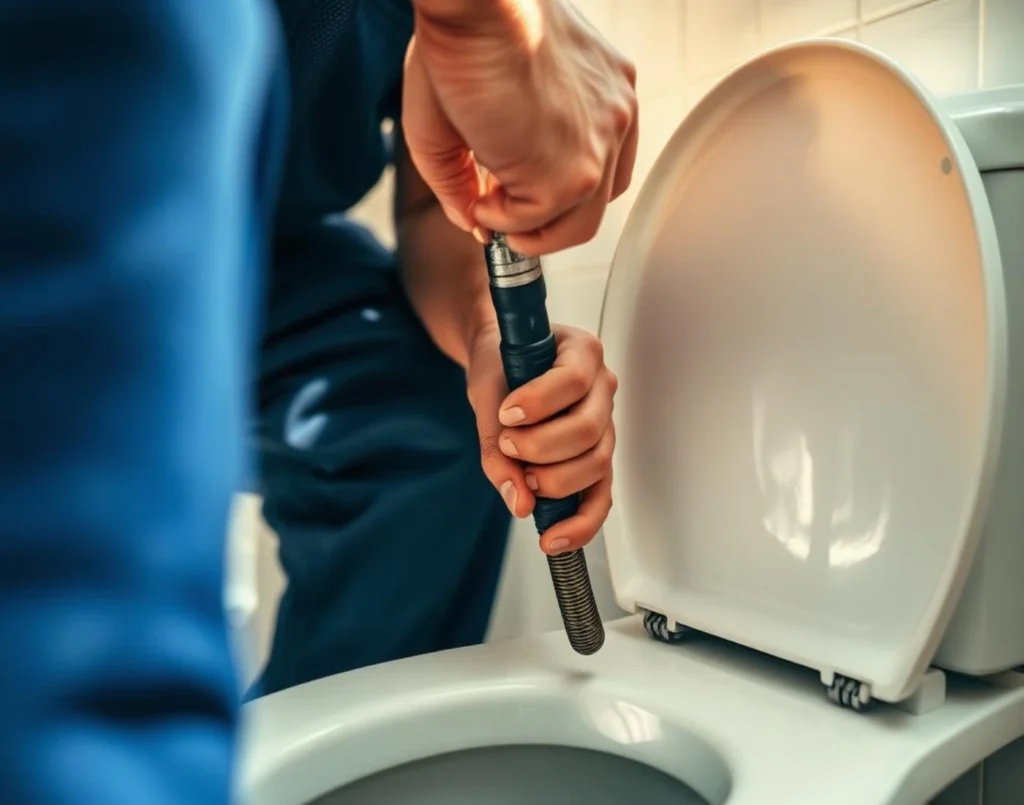
How can you fix these issues?
1. Adjusting the flapper for a running toilet
Turn off the water supply valve behind the toilet and flush to empty the tank. Take off the old flapper. First, unhook it from the flush handle lift chain. Then, slide it off the mounting posts. Install the new flapper, ensuring it sits flat against the valve seat.
2. Replacing a Worn-Out Wax Ring
You need to remove the whole toilet. So, get some towels and have a helper ready. Shut off the water, disconnect the supply line, and remove the toilet seat for easier handling. Remove the floor bolts. Then, lift the toilet straight up to protect the floor drain.
- Clean the flange by removing all old wax residue completely.
- Carefully centre the newly installed wax seal on the flange.
- Lower the toilet gradually until it aligns with the bolt holes.
- Tighten bolts evenly; avoid overtightening to prevent cracking
3. Fixing weak flushing by cleaning jets
Mix equal amounts of white vinegar and water in a spray bottle. Lift the toilet seat and spray the solution under the rim where the jets are located. Use a small wire or toothpick to clear individual holes, working gently to avoid damage.
4. Correcting the water level in the Tank
Remove the toilet tank lid and locate the float mechanism. To raise the water level in ballcock systems, bend the float arm downward. Bend it up to lower the level. Modern fill valves have adjustment screws that control the cylinder float position.
5. Stabilising a rocking toilet
- Check if the toilet’s floor bolts are loose by gently turning them with a wrench.
- Tighten the bolts gradually, alternating sides to maintain even pressure.
- If shimming doesn’t stabilise the toilet:
6. Silencing a Noisy Tank
Replace the fill valve if cleaning doesn’t eliminate whistling sounds. Modern fill valves are quieter and more efficient than older ballcock systems. Installation typically requires basic tools and about 30 minutes.
Clean mineral deposits from the water supply valve where it connects to the tank. Sometimes, partially closing this valve reduces noise while maintaining adequate filling speed.
7. Managing Humidity to Prevent Sweating
Install a bathroom exhaust fan if you don’t have one, or upgrade to a more powerful model. Run the fan during showers and for 30 minutes afterwards to remove excess moisture from the air.
Consider a toilet tank liner kit for severe condensation problems. These insulation kits stop temperature differences that lead to sweating. However, they need more installation work.
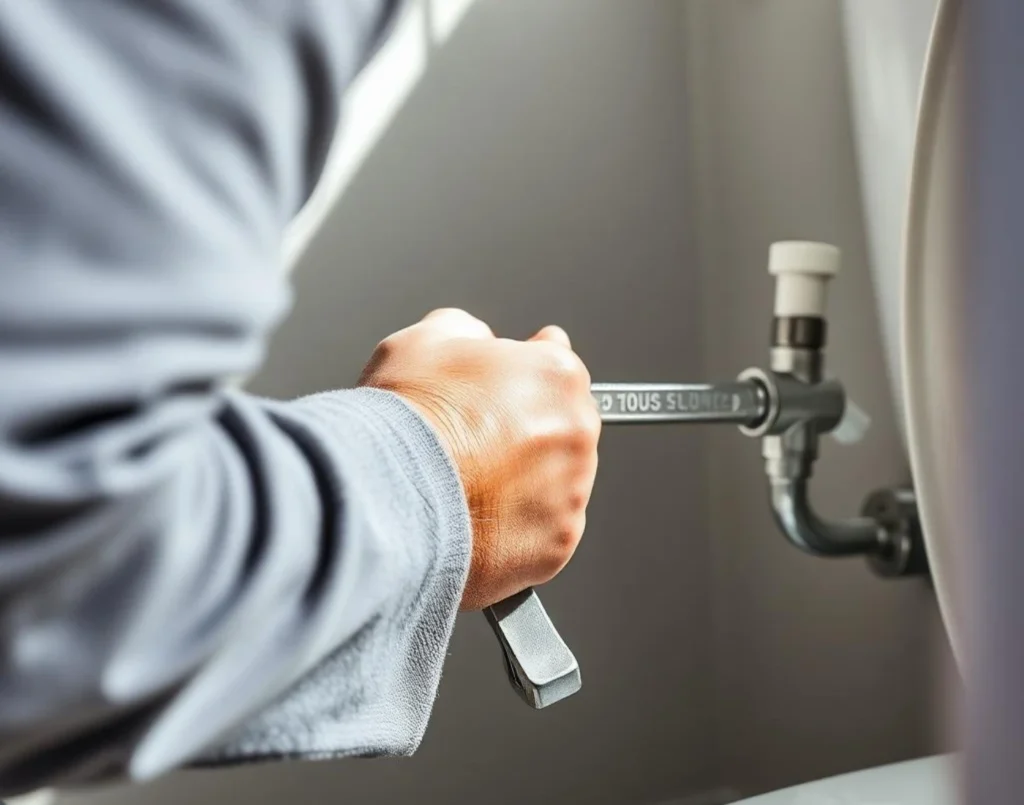
When should you call a professional?
Clogged vents and sewer lines:
- Slow-draining fixtures
- Gurgling sounds from drains or toilets
- Diagnose the issue accurately
- Clear the blockage safely and effectively
- Tree root intrusion
- Collapsed or damaged pipes
- Severe grease or debris buildup
- Costly plumbing damage
- Sewer backups or more serious complications
Persistent leaking issues
Toilet repairs may not fix leaks. The issue could be the toilet flange or damage to the subfloor. Water damage spreads fast. If not fixed quickly by experts, it can cost a lot to repair.
Severe Structural Concerns
Cracks in the toilet bowl or major floor damage around the base need quick professional help. These issues can lead to major water damage and health hazards from sewer gas exposure.
What signs indicate replacement needs?
Cracked or Noisy Toilet Seats:
- Wobbling
- Cracking or creaking sounds
- Inexpensive
- Easy to do with basic tools
- Round
- Elongated
- Soft-close hinges
- Quick-release mechanisms for easier cleaning
- Enhance comfort
- Improve the overall look of your bathroom at a low cost
Rusty Bolts and Hardware
Corroded flush handles, supply lines, or mounting hardware indicate age-related deterioration. Replace rusty components before they fail and cause water damage or flooding.
Check your local hardware store for replacement parts that match your toilet model. Bring the old parts or photos to ensure proper fit and function.
Stuck or Loose Flush Handles
A flush handle that sticks or feels loose needs adjustment or replacement. Sometimes, tightening the mounting nut inside the tank solves the problem. If the handle is cracked or corroded, replacement is the better option.
New flush handles come in various finishes to match your bathroom fixtures. Installation typically takes just a few minutes with basic tools.
Pro Tips for Prevention
- Leaks around the base or tank
- Unusual sounds
- Wax rings
- Fill valve components
- Save time during repairs
- Prevent emergencies from escalating
- Hard water shortens the life of toilet parts
- Consider installing a water softener to reduce mineral buildup and extend component lifespan
Final Thoughts on Toilet Maintenance
Most homeowners can handle basic toilet plumbing repairs with confidence and simple tools. Try simple fixes first, like adjusting flappers or cleaning jets. Don’t jump to getting professional help right away. These small victories build your DIY skills and save money on service calls.
If problems keep happening or involve structural issues, call a professional plumber.
Frequently Asked Questions
What are the most common toilet plumbing issues?
The most frequent toilet plumbing problems include running toilets, clogs, weak flushes, and leaks at the base or tank. Worn flappers, faulty fill valves, or blocked drain lines often cause these issues. If not fixed promptly, even small problems can lead to water waste or costly damage.
Why does my toilet keep running after flushing?
A running toilet is usually caused by a worn-out flapper, misaligned float, or faulty fill valve. These components can allow water to continuously flow from the tank to the bowl, increasing your water bill. Replacing or adjusting these parts typically solves the problem quickly.
What causes a toilet to clog frequently?
Toilets often clog due to excessive toilet paper, flushing non-flushable items, or issues with the drain line. In older homes, tree root intrusion or a partially blocked sewer line can also lead to recurring clogs. Using less paper and avoiding flushing wipes or feminine products can help prevent future blockages.
How do I fix a toilet that rocks or wobbles?
A rocking toilet usually means the floor bolts are loose or the surface is uneven. Tighten the bolts carefully, using plastic shims under the base if needed to level the toilet. Be cautious not to overtighten, as this can crack the porcelain. If the flange is damaged, a professional plumber should replace it.
Why is water pooling around the base of my toilet?
Water around the base often indicates a broken wax seal or loose bolts. This seal keeps water and sewer gases from escaping. If it’s compromised, the toilet needs to be removed and resealed. Prompt action is essential to avoid floor damage or mould growth.