
PEX vs. Copper plumbing pipes each offer distinct advantages for homeowners. PEX pipes are known for their flexibility, cost-effectiveness, and ease of installation, making them ideal for DIY projects and tight spaces. In contrast, copper pipes are highly durable, corrosion-resistant, and possess antimicrobial properties, making them the top choice for drinking water and hot water systems. While copper pipes have been a reliable plumbing staple for decades, offering resistance to corrosion and suitability for high-temperature systems, PEX is gaining popularity for its affordability and ease of installation. Your choice depends on your home’s specific needs and budget. Understanding the pros and cons of both will help you make the best decision for your plumbing.
PEX pipes are flexible, cost-effective, and easy to install. This makes them perfect for DIY projects and tight budgets. Copper pipes are strong and last a long time. They also keep water quality high. However, they cost more to install at first. Your choice depends on your budget, installation preferences, and long-term home plans.
What Makes PEX Plumbing Special?
PEX (cross-linked polyethene) represents modern plumbing innovation. This flexible plastic has changed home plumbing since it came to the U.S. in the 1980s.
Flexibility That Changes Everything
PEX pipes provide unmatched flexibility, allowing them to bend without the need for joints or fittings. This flexibility reduces the number of connection points, which helps minimise the risk of leaks. Unlike rigid copper pipes, PEX pipes can be easily snaked through walls, around obstacles, and in tight spaces, making them a more versatile option for plumbing projects.
This feature alone saves homeowners thousands in freeze damage repairs.
Budget-Friendly Installation Costs
Material costs for PEX run significantly lower than copper:
- PEX pipes cost $0.50-$2.00 per linear foot
- Copper pipes range from $2.00-$4.00 per linear foot
- Fittings for PEX systems cost 30-50% less than copper alternatives
Labor costs drop dramatically because PEX installs faster. A typical bathroom remodel with PEX takes 2-3 days. In contrast, copper installation takes 4-5 days.
Installation Made Simple
PEX pipes connect using crimp fittings, push-fit connectors, or expansion tools, all of which require minimal training compared to copper pipes, which need soldering skills. Many homeowners opt for DIY PEX installations, saving hundreds of dollars in contractor fees while enjoying the ease of working with PEX over copper pipes.
The lightweight material reduces physical strain during installation. A coil of PEX weighs only 15 pounds, but a 100-foot coil of copper weighs over 40 pounds.
Why Copper Remains the Gold Standard
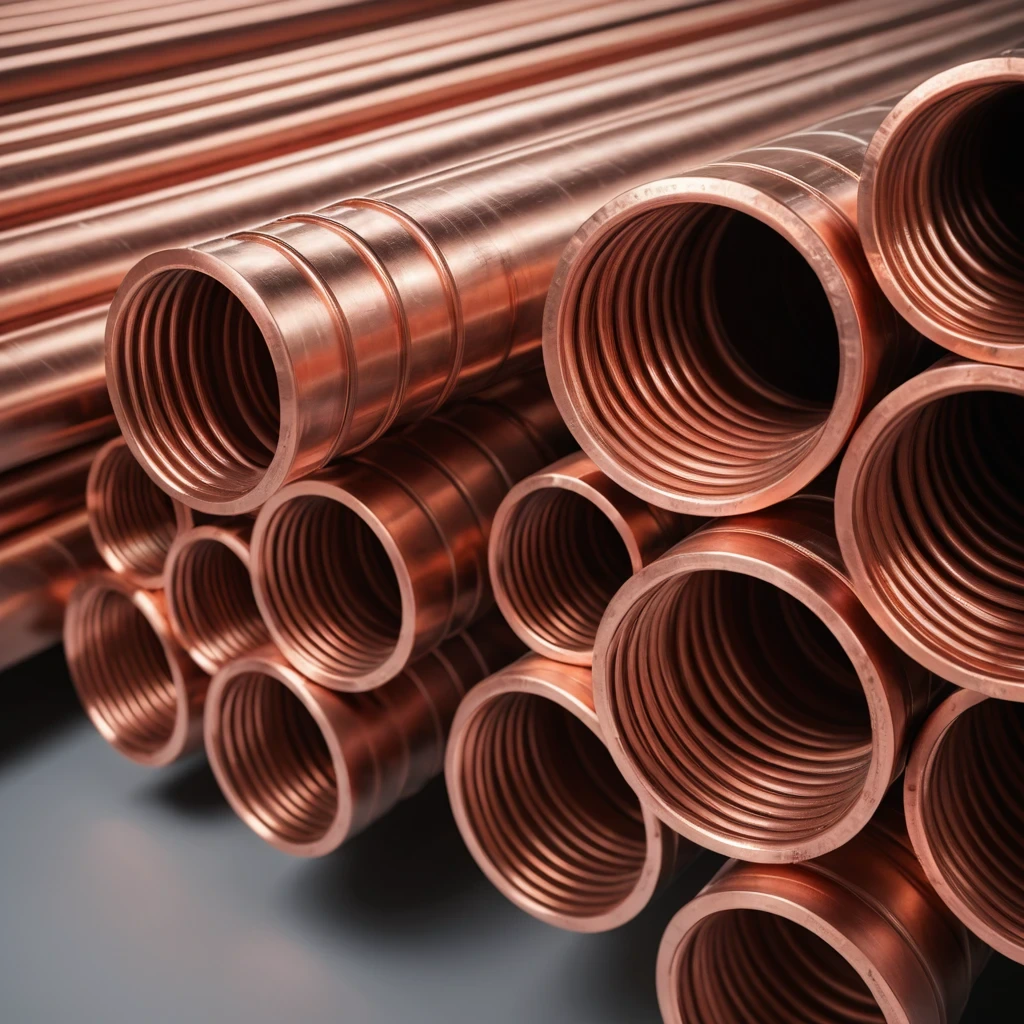
For more than 80 years, copper piping has been used in American homes. This time-tested material built its reputation on reliability and performance.
Durability That Stands the Test of Time
- Copper pipes are resistant to extreme temperatures, pressure variations, and environmental challenges.
- Unlike plastic pipes, copper doesn’t degrade from UV exposure.
- Copper naturally fights bacteria in water lines, keeping the water cleaner.
- Temperature fluctuations that stress other materials barely affect copper pipes.
- Copper can handle freezing conditions and hot water systems well. It keeps its strength in both situations.

Water Quality Excellence
Copper pipes don’t impart taste, odor, or chemicals to drinking water. The material improves water quality. It does this by naturally removing harmful bacteria, such as E. coli and legionella. Many high-end restaurants and hospitals specify copper plumbing for this reason.
Copper pipes don’t release volatile organic compounds (VOCs) into your water supply, unlike some plastic pipes. This matters especially for families with young children or health-sensitive individuals.
Impressive Lifespan Performance
Copper systems that are properly placed require little maintenance for 70–80 years. Some copper installations from the 1940s still function perfectly today. This longevity makes copper an excellent investment for homeowners planning long-term residence.
Which option costs less overall?
Look past the starting material prices to understand true costs. Smart homeowners consider both upfront expenses and long-term financial implications.
Initial Investment Breakdown
PEX systems usually have material and installation costs 40 60% lower:
- Material costs: PEX averages $1,500-$3,000 for whole-house repiping
- Labour expenses: Installation takes 2-3 days at $75-$100 per hour
- Tool requirements: Basic PEX tools cost under $200
Copper installations demand higher upfront investment:
- Material costs: Copper averages $3,000-$6,000 for whole-house repiping
- Labour expenses: Installation requires 4-5 days of skilled work
- Specialised tools: Professional soldering equipment costs $500+
Long-Term Financial Considerations
Copper pipes offer a longer lifespan, potentially providing better value over decades, lasting up to 75 years. A copper pipe system typically costs around $80 per year, including installation. In contrast, PEX systems, which last between 25–50 years, may cost between $100–200 annually.
However, PEX’s lower repair costs and easier maintenance often offset the shorter lifespan. Homeowners save a lot on service calls. PEX repairs need basic skills, not special soldering.
How hard is each system to install?
Installation complexity dramatically affects project costs and success rates. Understanding these differences helps you choose the right approach for your situation.
PEX Installation Simplicity
- PEX installation requires only basic hand tools and minimal training.
- The flexible material easily routes through existing walls without major demolition.
- Most PEX connections use quick crimp or push-fit methods. These take only seconds to finish.
- Homeowners with basic DIY skills can easily handle PEX installations.
- You can find plenty of training for home projects through online tutorials and local hardware store classes.
Copper Installation Complexity
Copper installation demands specialised skills, particularly soldering techniques. Improper soldering creates leak-prone joints that fail over time. The rigid material requires precise measurements and professional-grade cutting tools.
Most copper installations require licensed professionals to meet building codes. Even skilled DIYers can find soldering tricky. This is especially true in tight spots or when working overhead.
How long will each system last?
Durability directly impacts your plumbing investment. Take into account the lifespan of the material as well as its resistance to typical failure mechanisms.
PEX Durability Factors
Under typical conditions, PEX systems last between 25 to 40 years. PEX pipes are highly resistant to corrosion, scale buildup, and freeze damage, outperforming many other materials. However, PEX pipes should only be used indoors, as exposure to UV light causes rapid degradation.
Quality varies significantly between PEX manufacturers. Premium PEX-A products are more flexible and last longer than budget PEX-B options.
Copper’s Proven Longevity
- Patina naturally develops inside copper pipes, enhancing corrosion resistance over time.
- Copper resists UV damage, temperature extremes, and most chemical exposures.
- Acidic water speeds up copper corrosion. In contrast, neutral pH water keeps copper pipes safe for a long time.
- Reach out to your local water utility. They can test the pH to help you understand copper performance in your area.
- Copper installations can last over 70 years. The material gets better with age because of its natural strength.
Are there health and safety concerns?
Both materials meet safety standards. However, they offer different factors for health-conscious homeowners to consider.
PEX Safety Profile
Modern PEX pipes meet stringent NSF standards for drinking water use, ensuring safety and quality. Early PEX formulations had concerns regarding chemical leaching, but today’s PEX products have minimal impact on water quality. Independent testing has confirmed that PEX pipes are safe for residential use. While some individuals may notice a change in taste with new PEX installations, this typically fades within a few weeks as the system ages and flushes clean.
Copper Health Benefits
Copper pipes naturally kill bacteria, viruses, and other pathogens in water systems, offering an antimicrobial action that plastic pipes, like PEX, cannot match. This passive water treatment makes copper pipes a preferred choice in hospitals and food service facilities for their added protection.
However, in some circumstances, copper can seep into water supplies. Acidic water or long stagnation periods may increase copper levels beyond recommended limits. Regular testing helps monitor copper content in your drinking water.
How Do Environmental Factors Affect Each Material?
Your local climate and installation environment significantly impact plumbing material performance.
UV Exposure and PEX
- Direct sunlight can damage PEX pipes in just a few months. This means they can only be used indoors or need protection when placed outside.
- Even brief UV exposure during construction can weaken PEX pipes.
- Temperature cycling affects PEX flexibility over time.
- Extreme heat can reduce PEX lifespan, while freezing temperatures enhance its freeze-resistance advantages.
Copper’s Environmental Resilience
Copper handles all weather conditions without degradation. The material works well in desert heat, Arctic cold, and humid coasts. Copper’s stability makes it ideal for outdoor applications, solar systems, and exposed installations.
Soil chemistry affects buried copper lines. Acidic soils accelerate corrosion, while alkaline conditions preserve copper indefinitely. Professional soil testing helps predict copper performance for underground applications.
What About Noise and Water Hammer?
PEX pipes are great at reducing sound and vibration in plumbing systems. PEX is flexible. It absorbs pressure surges. This helps reduce water hammer, a common issue with rigid pipes. Homes with high water pressure or many water fixtures can really benefit from PEX’s noise control. Its ability to flex with changes in water flow helps prevent rattling or banging sounds in the walls. Many homeowners have reported noticeably quieter plumbing after switching to PEX pipes.
Copper Sound Characteristics
Copper pipes transmit sound more easily than plastic pipes, with water flow, valve closures, and pressure changes creating audible sounds in copper systems. Proper installation of copper pipes with sound-dampening materials can help minimize noise transmission.
Water hammer can damage copper joints over time. Installing water hammer arrestors helps protect copper systems from pressure damage. They also reduce annoying noises.
Pro Tips for Making Your Decision
- PEX offers immediate cost savings, making it ideal for short-term affordability.
- Copper offers great long-term durability, but it has a higher initial cost.
- PEX is easier to install, making it a popular choice for DIY projects.
- Copper requires professional expertise due to the need for soldering and rigid handling.
- Copper pipes fight germs naturally. This makes them a top choice for safe drinking water.
- PEX is not UV-resistant and should only be used indoors.
- PEX pipes work quietly, so they’re great for quiet places like bedrooms and offices.
Making the Right Choice for Your Home
Both PEX pipes and copper pipes serve modern homes effectively when installed correctly. PEX offers cost-effective installation and excellent freeze resistance, while copper pipes provide unmatched durability and superior water quality benefits.
Consider your specific situation, budget, and long-term plans when choosing. Many successful installations use both materials. They rely on copper for main lines and PEX for branch circuits. This hybrid approach maximises each material’s strengths while minimising costs.
Read Also: PEX vs. Copper: A Homeowner’s Guide to Choosing the Right Pipe
Frequently Asked Questions
1. Is PEX plumbing catching on for new construction? Should it?
Yes, PEX plumbing is popular for new construction due to its flexibility, cost-effectiveness, and ease of installation. It’s great for most applications, but may not be ideal for areas needing high-temperature resistance, like copper or CPVC.
2. Should you use copper plumbing pipes in your home?
Copper pipes are durable, corrosion-resistant, and offer antimicrobial properties, making them perfect for drinking water lines. However, they are more expensive and harder to install than alternatives like PEX.
3. How long does PEX last vs. copper?
PEX lasts around 25 to 40 years, while copper pipes can last 50+ years with proper maintenance.
4. Why would I use CPVC in place of copper in my home?
CPVC is more affordable than copper, corrosion-resistant, and easy to install. It’s great for both hot and cold water lines, but copper is better for high-temperature applications.
5. How do you distinguish the quality of a PPR pipe and fitting?
Check for ISO certifications and look for smooth, uniform pipes with proper pressure ratings and temperature resistance to ensure PPR quality.