
The storm clouds gather, rain pounds your roof, and suddenly you hear it, or worse, you don’t hear it. Your sump pump has failed during the worst possible time. Don’t panic. Act quickly to protect your basement from costly water damage. Take these immediate steps now.
Sump pump failure during storms can flood your basement within hours, making a quick response essential. First, turn off the electricity in the affected areas to ensure safety. Then, use a wet/dry vacuum or hand pump to remove standing water. To prevent future issues, install a battery backup system before storm season and test it regularly. If flooding does occur, take action within 24 to 48 hours to reduce the risk of mold growth and structural damage.
Understanding Sump Pumps
The first line of defence against basement flooding in your house is your sump pump. This device sits in a sump pit. It removes extra water from your foundation area. This helps prevent damage.
How Sump Pumps Work
Drainage systems or groundwater movement naturally bring water into the sump pit. The float switch activates when water levels rise, triggering the pump motor. Water is then sent via the discharge pipe by the pump. It diverts the water away from your foundation and into a secure drainage location. This sends it away from your foundation to a safe drainage area.
Importance During Storms
Heavy rains create the perfect storm for basement flooding. Storm drains get full, groundwater rises fast, and your home’s drainage system has to work hard. In these crucial times, your sump pump is your basement’s lifeline. It works nonstop to keep water away.
What Causes Sump Pump Failure?
- Understand common failure causes Knowing why sump pumps fail helps you spot early warning signs and take preventive measures.
- Power outages Storms often cut electricity, stopping the pump from working; installing a battery backup ensures continued operation.
- Lack of maintenance Clogged intakes, stuck switches, or debris in the pit can prevent the pump from running effectively; schedule regular inspections and cleaning.
- Incorrect installation Poor placement, wrong pump size, or improper discharge setup can reduce efficiency and cause failures; hire a licensed professional for installation.
- Proactive planning Address these key issues before storm season to avoid costly basement flooding and property damage.
Power Outages
Power failure ranks as the leading cause of sump pump problems during storms. When electrical systems fail, your pump stops working exactly when you need it most. Tripped breakers from electrical problems can also cut power to your system. Without a backup power source, even the most reliable pump becomes useless.
Mechanical Malfunctions
- Mechanical wear and tear, Motors can fail, parts may corrode, and pumps can burn out unexpectedly.
- Float switch malfunctions Stuck or faulty switches can stop the sump pump from activating when needed.
- Hidden issues surfacing during storms Problems often appear during heavy use in storm season.
- Importance of seasonal testing Running the pump regularly before storm season helps detect issues early.
Blockages and Clogs
Debris, sediment, and even iron bacteria can clog your discharge lines or sump pit. Clogged discharge pipes prevent proper water removal, causing backups into your basement. A blocked weep hole or check valve can disrupt normal pump operation. These blockages often worsen during storms when debris flows increase.
Recognising Signs of Sump Pump Failure
Early detection of pump problems can prevent basement flooding.
Strange Noises
Unusual grinding, rattling, or gurgling sounds indicate mechanical issues developing inside your pump. A properly functioning pump runs relatively quietly. Strange noises usually mean worn parts, debris in the system, or motor issues. These need quick attention.
Continuous Running
- A sump pump that runs continuously without cycling off indicates a problem.
- Possible causes include a blocked discharge line, insufficient pump capacity, or a stuck float switch.
- Continuous operation can quickly burn out the motor.
- A failed pump leaves your basement unprotected against flooding.
Water Backup
Water pooling around your sump pit or backing up into your basement means your pump has failed. You might notice water leaks near the discharge end or overflow around the pit area. Any visible water accumulation requires emergency action to prevent extensive damage.
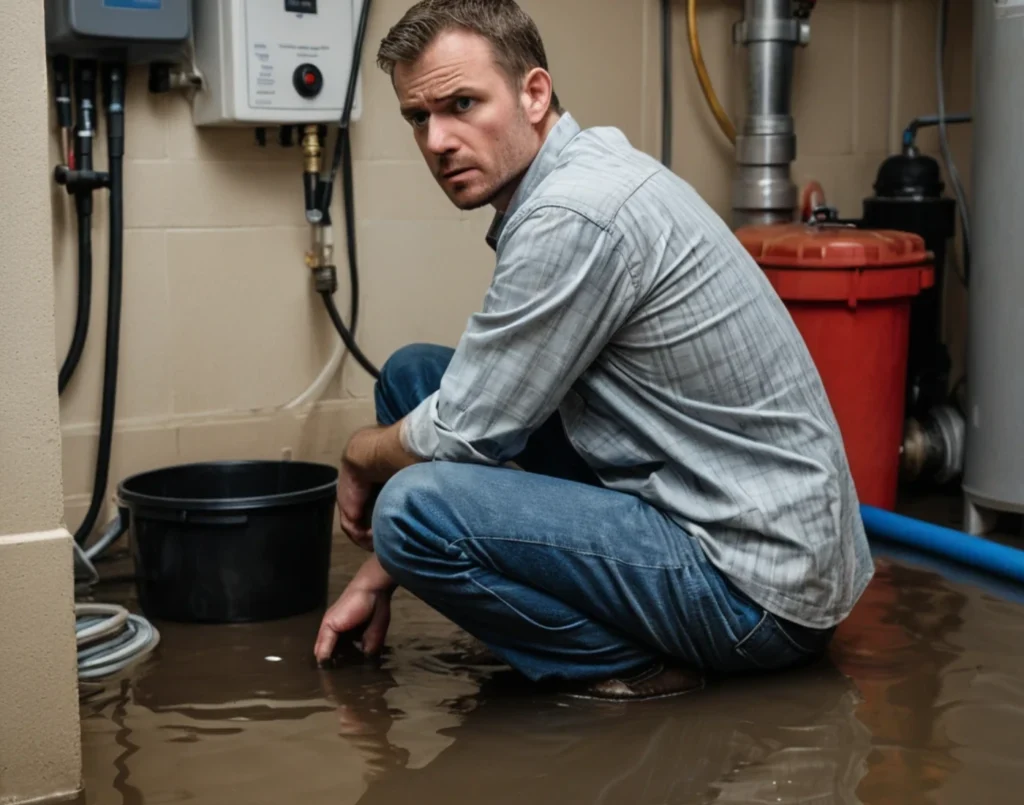
Immediate steps to take during a failure
Every minute matters when your sump pump malfunctions during a storm. These emergency steps can minimise water damage and protect your family’s safety.
Turn off the electricity in a manner that ensures safety
How to keep your stuff and yourself safe:
- Turn off the power at the circuit breaker for your basement area.
- Never wade into standing water with electrical outlets nearby
- Use a flashlight instead of overhead lights in flooded areas
- If you have any questions about electrical safety, call an electrician.
Manually control water levels
Once electrical safety is secured, begin emergency water removal.
- Use a wet/dry vacuum to remove standing water quickly.
- Deploy a hand pump as a temporary backup system.
- To redirect water flow away from your foundation, use tarps.
- Open basement windows for ventilation if the weather permits.
Contact professionals for repairs
Emergency sump pump repair requires professional expertise during active storms.
- Call emergency sump pump services immediately.
- Document the damage with photos for insurance claims.
Don’t attempt complex electrical or mechanical repairs yourself during active flooding. Professional technicians have the tools and expertise to restore your system safely.
Backup Power Solutions
Preventing future power outage disasters requires backup power planning. In the event of a power outage, these systems continue to operate your sump pump.
Installing Battery Backups
A battery backup sump pump provides reliable emergency power during outages. These systems automatically activate when your primary pump loses power. The majority of battery backup systems have an 8 to 12-hour lifespan. They offer vital protection during long outages.
Think of a sump pump that runs on batteries as your backup line of defence. These units require minimal installation and offer peace of mind during storm season.
Benefits of Standby Generators
Standby generators offer the most complete backup power option for your whole house. Generators can run your sump pump forever during long outages. Unlike battery systems, which have a limited runtime, generators provide continuous power.
A generator provides backup power. It protects your sump pump and meets your home’s electrical needs. This investment pays dividends during severe weather events.
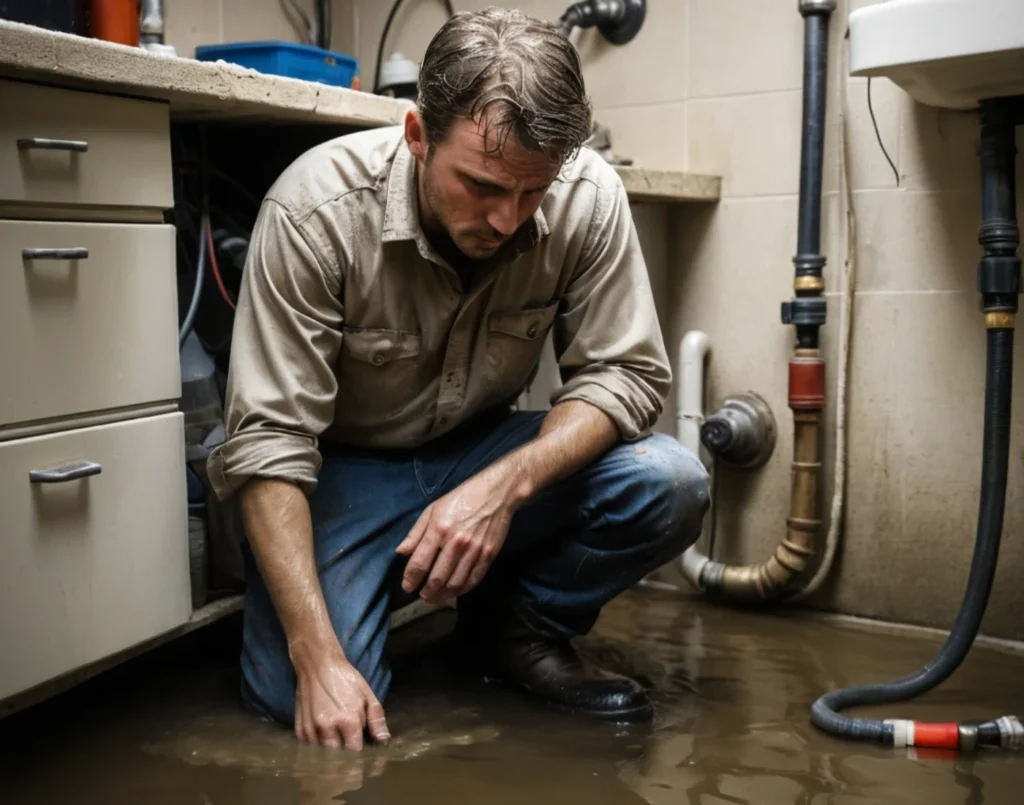
What prevention tips ensure future reliability?
Proactive maintenance prevents most sump pump failures and extends the system’s lifespan. You can save a lot on water damage and emergency repairs. Just follow these simple steps.
Regular Maintenance Checks
Monthly testing ensures your pump works when storms strike.
- Pour water into the sump pit to test the float switch operation.
- Check the discharge line for clogs or damage.
- Inspect the weep hole for proper drainage.
- Listen for unusual noises during operation.
- Verify the check valve prevents backflow.
Proper installation of backup systems
Professional installation of backup systems ensures reliable operation:
- Position battery backup pumps at different heights than primary pumps
- Install water alarms to alert you of rising water levels
Proper backup system installation provides redundant protection when your primary pump fails.
Ensuring Sump Pump Longevity
Simple care extends your pump’s service life significantly. Replace worn parts before they fail. Keep your sump pit clean and free of debris. Schedule annual professional inspections to catch problems early.
Addressing Basement Water Damage
When prevention fails, a quick water damage response minimises long-term problems. Acting within 24-48 hours prevents mould growth and structural damage to your home.
Emergency Water Removal Techniques
Speed is critical for successful water damage recovery.
- Extract standing water immediately using pumps or vacuums.
- Remove wet materials, like carpeting and damaged drywall.
- Document everything with photos for insurance purposes.
- Contact water damage professionals for extensive flooding.
Drying and Dehumidifying Affected Areas
Thorough drying prevents mould and mildew growth in your basement.
- Set up industrial drying systems or multiple fans
- Operate the dehumidifiers without interruption until moisture levels normalise.
Structural drying may take several days or weeks, depending on flooding severity. Moisture detectors help ensure complete drying before reconstruction begins.
How does insurance handle sump pump issues?
Understanding your homeowners’ insurance coverage prevents costly surprises after flooding events. Many standard policies exclude certain types of water damage.
Understanding Insurance Policies
Most homeowners’ insurance policies do not automatically include coverage for sump pump failure or basement flooding, making it important to consider adding a water backup endorsement for complete protection. Reviewing your exclusions. Insurers often differentiate between sudden mechanical failures, policies before storm season ensure you understand your coverage limits and which may be covered, and gradual seepage issues, which typically are not. Understanding these distinctions helps you prepare financially for potential flooding risks.
What’s Typically Covered
Standard coverage often includes:
- Sudden mechanical pump failure and resulting damage.
- Power surge damage to pump motors.
- Emergency repairs to prevent further damage.
Taking Action Protects Your Home Investment
Sump pump failure during storms doesn’t have to spell disaster for your basement. Quick emergency response, backup systems, and regular maintenance all protect your home.
Don’t wait until the next storm warning to address your sump pump needs. Act now! Install battery backup systems, check your maintenance schedule, and review your insurance coverage. Your future self will thank you when the next big storm hits and your basement stays dry.
Frequently Asked Questions
1. What causes a sump pump to fail?
Sump pumps can fail due to power outages, clogged discharge lines, mechanical breakdowns, improper installation, or being worn out over time.
2. How can I prevent a sump pump failure?
You can prevent failures by installing a backup battery system, performing regular maintenance, cleaning discharge lines, and replacing old or faulty pumps.
3. How long does a sump pump typically last?
A sump pump generally lasts between 7–10 years, but its lifespan can vary depending on usage, maintenance, and the quality of the pump.
4. What happens if my sump pump fails during a heavy rainstorm?
If the pump fails during heavy rainfall, water may accumulate in your basement, potentially causing flooding, water damage, and mould growth.
5. Can I install a sump pump backup system?
Yes, a battery backup system can be installed to ensure your sump pump continues to operate even during power outages, providing extra protection against flooding.